Fable 5
Anthropic details Fable 5's cyber safeguards and a draft jailbreak severity framework, sorting cybersecurity uses into risk tiers and scoring techniques on four axes.
OpenAI begins a limited preview of GPT‑5.6 Sol, Terra and Luna, pairing stronger cyber capabilities with tighter safeguards and a government-coordinated phased rollout ahead of broader release.
xAI has launched Voice Agent Builder in beta, a no-code platform for building voice agents on Grok Voice, claiming top marks on its own benchmark against Gemini and GPT Realtime.
US export controls on Fable 5 and Mythos 5 have lifted. Anthropic details the Amazon-reported bypass, its fix, and a new Glasswing-backed framework for scoring AI jailbreak severity
Meta's Brain2Qwerty v2 decodes brain activity into text without surgery, hitting 61% word accuracy (78% for its best volunteer) from non-invasive MEG data. Training code released.
Nearly half of everything you've watched on this channel in recent months has clustered around five conversations, and all five keep circling the same uncomfortable subject.
Nine month design cycle, deployment from end 2026, gigawatt scale rollout planned with Microsoft.
with granular admin controls, scoped API keys, multi-account support and a new debugging tool for MCP connections.
Jeff Bezos and Sundar Pichai are in the corner playing pool.
Pope Leo's encyclical on AI is one of the most serious documents written on the subject. The launch optics undermined it before most people read a word.
As Elon Musk testifies in Oakland, the lawsuit over OpenAI’s for-profit conversion establishes a high-stakes benchmark for AI governance and fiduciary duty.
The new partnership gives Cursor unprecedented compute access and gives SpaceX a path to dominate agentic software development.
While it promises rapid vulnerability detection, the emergence of Anthropic’s latest AI raises questions about security risks, defensive preparations, and the future of knowledge work.
Cycode’s Top AI Security Vulnerabilities to Watch out for in 2026 report outlines rising risks across prompt injection, data exposure, and AI supply chains.
Security models are no longer enough as multi-modal attacks overwhelm traditional controls, forcing a rethink of enterprise trust systems.
MCP is rapidly transforming how AI agents interact with enterprise systems, opening up a new class of supply chain, identity, and governance risks that security teams can’t ignore.
Hefty cash burn threatens OpenAI’s longevity in the face of self-funded competitor.
Google DeepMind CEO warns that defensive systems must outpace AI-powered attack vectors as AGI approaches.
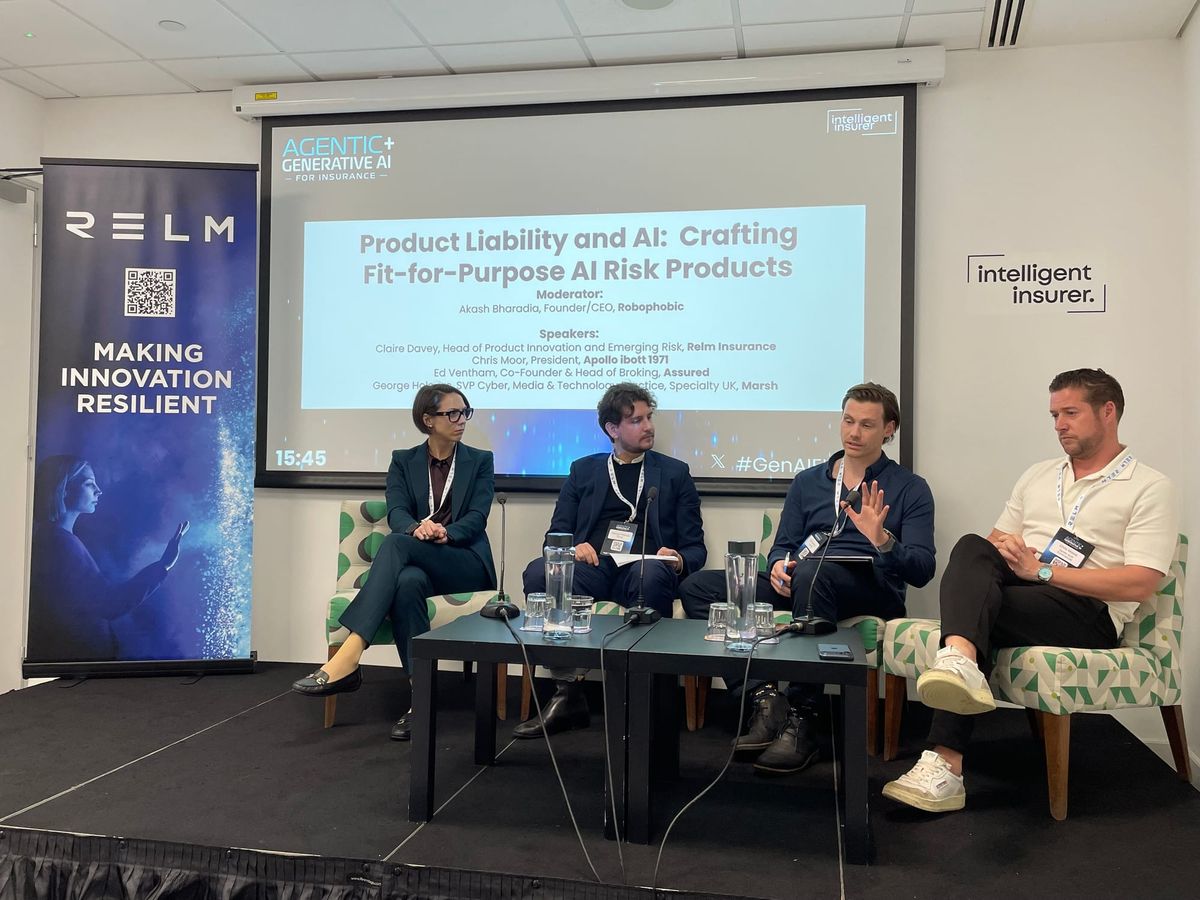
From the EU AI Act to cyber policy wording, panelists examined how emerging regulation and insurance structures intersect with enterprise AI deployment.
Supreme Court allows appeal in Emotional Perception AI v. Comptroller General, mandating EPO-aligned test for computer-implemented inventions under UK law.
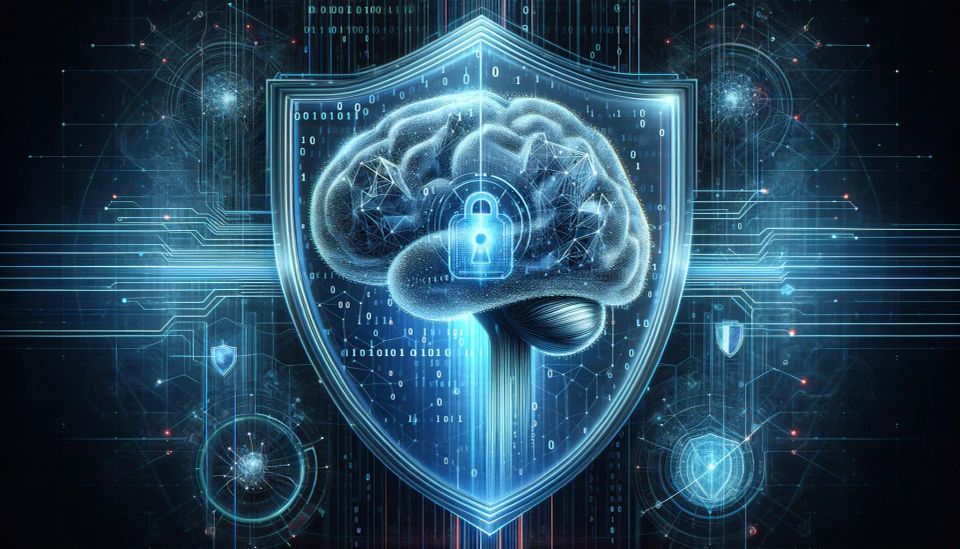
Experts discuss the practical steps organizations must take to secure AI, protect data, and operationalize responsible deployments.
Google supports startups using AI for mental health. O7 Therapy matches patients with therapists, Callyope analyses speech, HearMe provides AI chatbots, and Thalia assists therapists in analysis.
SETI Institute uses NVIDIA AI to detect faint radio signals from space in real-time. Pilot project processed 90 billion data packets at 100Gbps in 15 hours.
NVIDIA's NIM Agent Blueprint for container security uses AI to reduce vulnerability analysis from days to seconds. Deloitte adopts it for enterprise solutions.
NVIDIA partners with tech giants to develop custom AI apps using NIM and NeMo tools. New microservices streamline generative AI development for various industries.
NVIDIA's AI tools accelerate healthcare innovation. NIM microservices and Agent Blueprints aid in medical imaging, drug discovery, and data extraction from PDFs.
71 PhD students join Turing Institute's Enrichment scheme, enhancing AI research. New Community Award enables 20 students to engage remotely, expanding collaboration.