
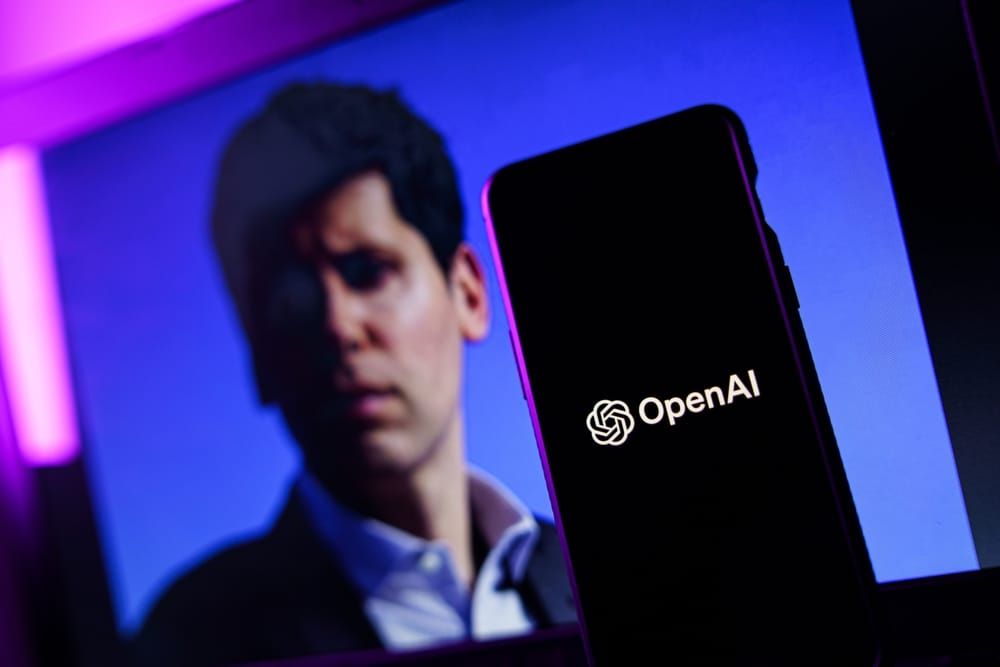
The federal trial of Musk v. OpenAI et al., which commenced in Oakland on April 28, 2026 and is expected to last three weeks, has moved beyond a personal dispute between founders into a critical examination of corporate governance for the AI era.
The proceedings have centered on whether a 501(c)(3) non-profit can legally transition its core assets into a for-profit entity, valued at a reported $852 billion, without violating its founding mission. For enterprise leaders, the case serves as a live stress test for the reliability of AI partnerships and the durability of ‘safety-first’ governance structures.
The Argument for Fiduciary Breach
Elon Musk, testifying in the case, has characterized the shift as a bait and switch. Musk is reported to have argued, according to the Financial Times, that OpenAI “stole a charity” by repurposing millions in original non-profit donations to build a commercial juggernaut. Musk testified that he provided $38 million to OpenAI under the explicit understanding that the resulting technology would remain open-source and altruistic.
Musk is claiming that OpenAI leveraged its charitable reputation to attract top-tier talent and tax-exempt capital, only to “loot" those assets for private gain. Musk is seeking $150 billion in damages from OpenAI and Microsoft, one of its largest investors, with any awards pledged to return to the non-profit arm and the removal of CEO Sam Altman and President Greg Brockman.
The Defense: Operational Necessity
OpenAI’s legal team, led by William Savitt, countered that the pivot was a strategic necessity driven by the capital-intensive nature of artificial general intelligence (AGI) development. Savitt presented evidence that Musk himself had proposed a for-profit merger with Tesla in 2018, suggesting the dispute is rooted in control rather than principle. Savitt has positioned the lawsuit as a backlash because Musk didn’t get his way, arguing that no formal contract ever bound OpenAI to remain a non-profit in perpetuity.
The defense maintains that the model established in 2019 was a legitimate hybrid structure designed to attract the billions in compute capital required to compete with Google. They argue that the October 2025 full conversion to for-profit status was the logical conclusion of this trajectory, necessitated by a $110 billion funding round involving Amazon, Nvidia, and Microsoft.
Strategic Implications for the Enterprise
The trial has already forced transparency on previously opaque agreements. On April 27, a key amendment to the Microsoft-OpenAI partnership was revealed: the "AGI Clause," which originally stipulated that Microsoft’s license would expire if OpenAI achieved human-level intelligence, has been significantly altered. Such shifts in IP control directly impact the long-term roadmap for enterprise customers relying on Azure-OpenAI integrations.
If Judge Yvonne Gonzalez Rogers rules that the for-profit conversion was unlawful, the court could theoretically order a structural unwinding. This would require OpenAI to return assets to the non-profit foundation, potentially clouding the legal status of the IP currently licensed to enterprise partners and jeopardizing the company's planned IPO.
A Benchmark for Mission-Driven AI
The verdict, expected in late May 2026, could set a precedent, determining whether charitable mission language in foundational documents creates a permanent fiduciary shackle or can be discarded as a company scales.