healthcare
Latest in healthcare

The Medical Protection Society is urging the UK government to reform product liability law, warning doctors risk becoming a “liability sink” for AI.

Recent moves by Anthropic, Microsoft, NVIDIA and Lilly point to enterprise AI being built into regulated, high-stakes healthcare and drug development work.

The Promise and Peril of Artificial Intelligence in Healthcare

Alphabet president Ruth Porat told the ASCO annual meeting how Google’s AI research, including AlphaFold, is being applied to cancer diagnosis and care.

Microsoft highlights three healthcare organisations using Azure OpenAI Service and Azure AI Foundry to cut admin work and improve patient care.

Brazilian healthcare AI company Sofya says Llama models with knowledge distillation have cut provider documentation time by 30% for clinicians.

Orakl Oncology reports 26.8% better cancer treatment prediction with Meta’s open models, and Mendel AI cut clinical trial matching from hundreds of days to one.

Meta’s first Llama Hackathon in India drew more than 270 participants, and CurePharma AI won with a tool giving medication information in regional languages.

SimBioSys’s FDA-cleared TumorSight turns black-and-white MRI scans into colour-coded 3D models of breast tumours, helping surgeons plan operations.

A Stanford-led study compared 50 physicians with and without ChatGPT-4 on real patient cases, and found the model alone scored higher on diagnostic reasoning.
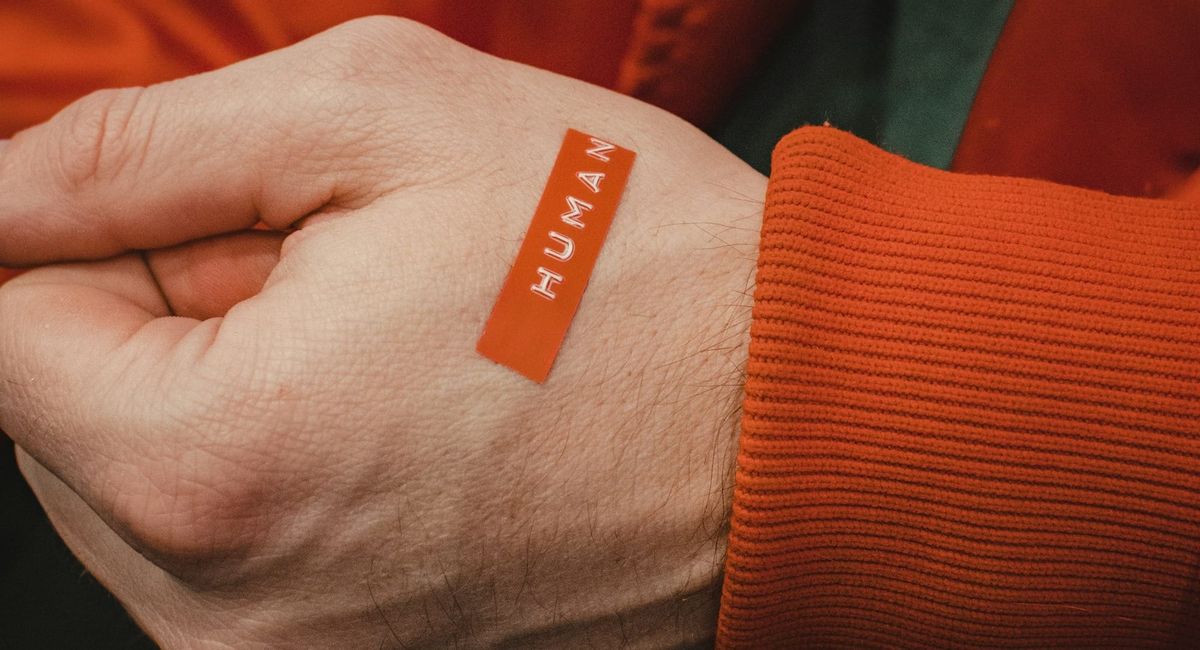
"While AI tools save time, human oversight remains essential. As AI-360 notes: 'HUMAN IN THE LOOP is very much ESSENTIAL in largely, every step.'"

An AP investigation found OpenAI’s Whisper transcription tool regularly invents text that was never spoken, a concern as it is used in medical settings.

Professors Subramanian Ramamoorthy, Stefanos Zafeiriou and Steve Benford have been awarded UKRI Turing AI World-Leading Researcher Fellowships.

Mila and SonoNurse VS are partnering to develop an AI system that verifies medications before they are given to patients, aiming to cut medication errors.

An Alan Turing Institute survey of 929 UK doctors found 29% had used AI in the past year and 52% were optimistic, though most said they lacked training.