45 posts
AI Infrastructure



The revised agreement gives OpenAI broader cloud distribution rights while Microsoft retains IP access and long-term financial exposure.

Security updates include Red Agent, AI-BOM, and deeper integrations with Databricks, Salesforce, Cloudflare, and Google Cloud.

Infrastructure adds confidential computing, distributed Gemini, and AI factory scaling across NVIDIA and Google Cloud platforms.

Studio Connectors and MCP support centralize enterprise data integrations and simplify tool calling across Minstral AI's model ecosystem.

While it promises rapid vulnerability detection, the emergence of Anthropic’s latest AI raises questions about security risks, defensive preparations, and the future of knowledge work.

AIEM platform integrates security signals to enforce policy-driven AI governance and tackle shadow AI risk.

Partnership focuses on integrating process data into AI services running on OCI to enhance enterprise automation and decision-making.

OpenAI enforces macOS app updates and replaces signing credentials after identifying exposure in its GitHub-based build pipeline.

Cycode’s Top AI Security Vulnerabilities to Watch out for in 2026 report outlines rising risks across prompt injection, data exposure, and AI supply chains.

Project Glasswing brings AWS, Apple, Google, Microsoft, NVIDIA, and other key players together to address growing vulnerabilities in critical software systems.

New IBM–Arm initiative focuses on virtualization and interoperability to support AI workloads across mixed-architecture enterprise environments.

Partnership commits to a decade-long effort to advance hybrid algorithms critical for scaling AI and quantum computing.

Expanded Texas facility reflects rising need for dedicated AI infrastructure, with capacity and long-term compute implications.

New disclosures emphasize compute scale, pricing pressure, and reliability as enterprise AI adoption accelerates.
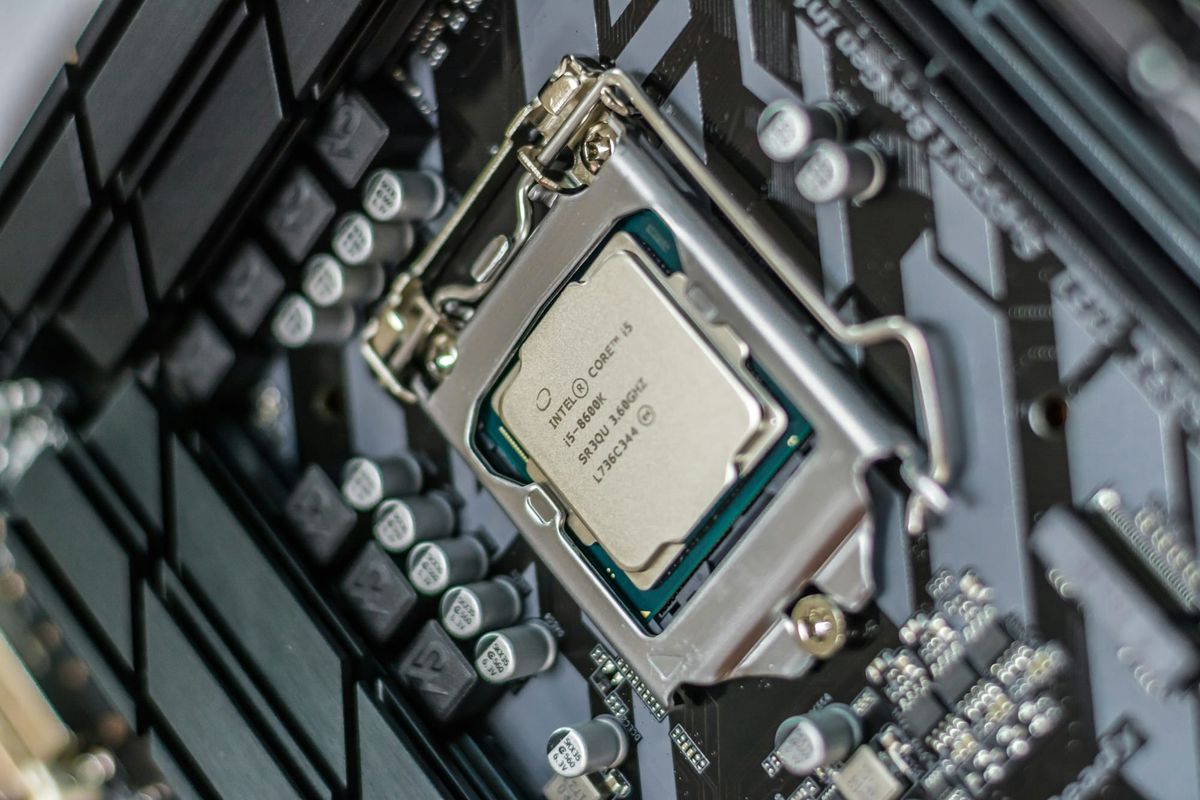
Intel’s buyback of full ownership of its Ireland fabrication facility underscores a strategic bet to secure CPU manufacturing capacity in the ‘era of AI.’