OpenAI has expanded its ChatGPT advertising pilot to the United Kingdom, Mexico, Brazil, Japan and South Korea, with further markets to follow later this year.

The test, first launched in the United States in February, shows ads to logged-in adult users on the Free and Go tiers. Plus, Pro, Business, Enterprise and Education subscribers do not see advertising.

OpenAI maintains that ads have no bearing on the answers ChatGPT gives. Sponsored content is clearly labelled and visually separated from organic responses, and ads are matched to a user's conversation topic, chat history and past interactions with adverts. Advertisers do not see actual conversations, chat histories or personal details, receiving only aggregate performance data such as views and clicks.

Safeguards include excluding under-18 accounts and withholding ads from sensitive categories such as health, mental health and politics. Users can dismiss ads, review why they were shown one, and delete their ad data at any time.

An earlier update in March reported encouraging early results, with no measurable impact on consumer trust and low ad dismissal rates, prompting the initial expansion into Canada, Australia and New Zealand ahead of this week's five-market rollout.

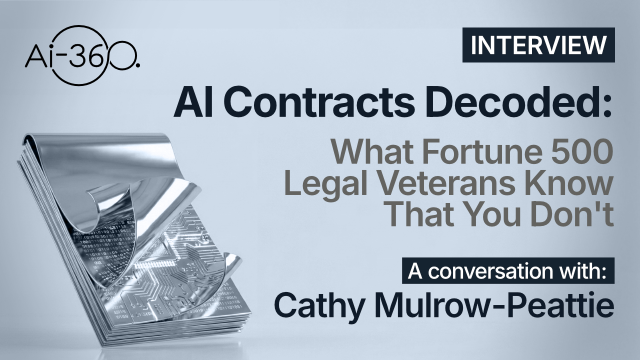
AI Contracts Decoded: What Fortune 500 Legal Veterans Know That You Don’t
When Microsoft refuses to negotiate indemnification with their biggest customers, what does that mean for your AI vendor contracts? When IBM data shows 97% of AI breaches stem from compliance failures—most being supply chain-related—who holds liability? When employees download shadow AI tools with zero cybersecurity controls, what recourse does your company have? None. Cathy Mulrow-Peattie brings perspective most outside counsel lack: Fortune 500 in-house experience at MasterCard and Omnicom, General Counsel at an AI startup, now advising enterprises. She starts with business goals before technology, technology before contracts—because she’s been in the hot seat when governance fails. You’ll learn: • Why 10-year AI contracts create risk and 90-day pilots with exit strategies are essential • The IP paradox: machine-generated outputs aren’t copyrightable but terms of use matter • How LLM providers retain “certain uses” of your data and when private instances become mandatory • Why contractual risk allocation to key vendors is your only viable strategy Key topics: Supply chain due diligence • The 97% compliance failure rate • Shadow AI liability traps • Benchmarking gaps • Hallucination disclaimers • GDPR/CCPA requirements • NY DFS Part 500 • Acceptable use policies • Dark web data sourcing • Evolutionary AI governance For: CISOs, CIOs, Chief Legal Officers, and compliance leaders navigating AI vendor relationships Contractual realities from someone who’s negotiated with Microsoft, advised Fortune 500s, and managed governance failures.
Share this post
The link has been copied!