Friday, 14th August 2026
Proper thanks to everyone who's given up their time for a BrightTalk interview recently, going out next week once the dust settles, so hold that thought. There's an absolute mountain of AI news this week, so buckle in. Meanwhile the Stew 'Stochastic Parrot' has learned a lot this week, and the main lesson is that context is everything. Choose your words carefully. Doubly so if you're talking to a four year old who takes everything on board like a sponge, and doubly so again if you're the one giving the instructions to an agentic AI system. As you're about to read, it turns out both audiences take you rather more literally than you meant.
When AI Agents Go to War
Set loose on a shared codebase with conflicting orders, Claude agents locked each other out, planted disguised malware, and fought for control before some learned to call a truce.
 AI-360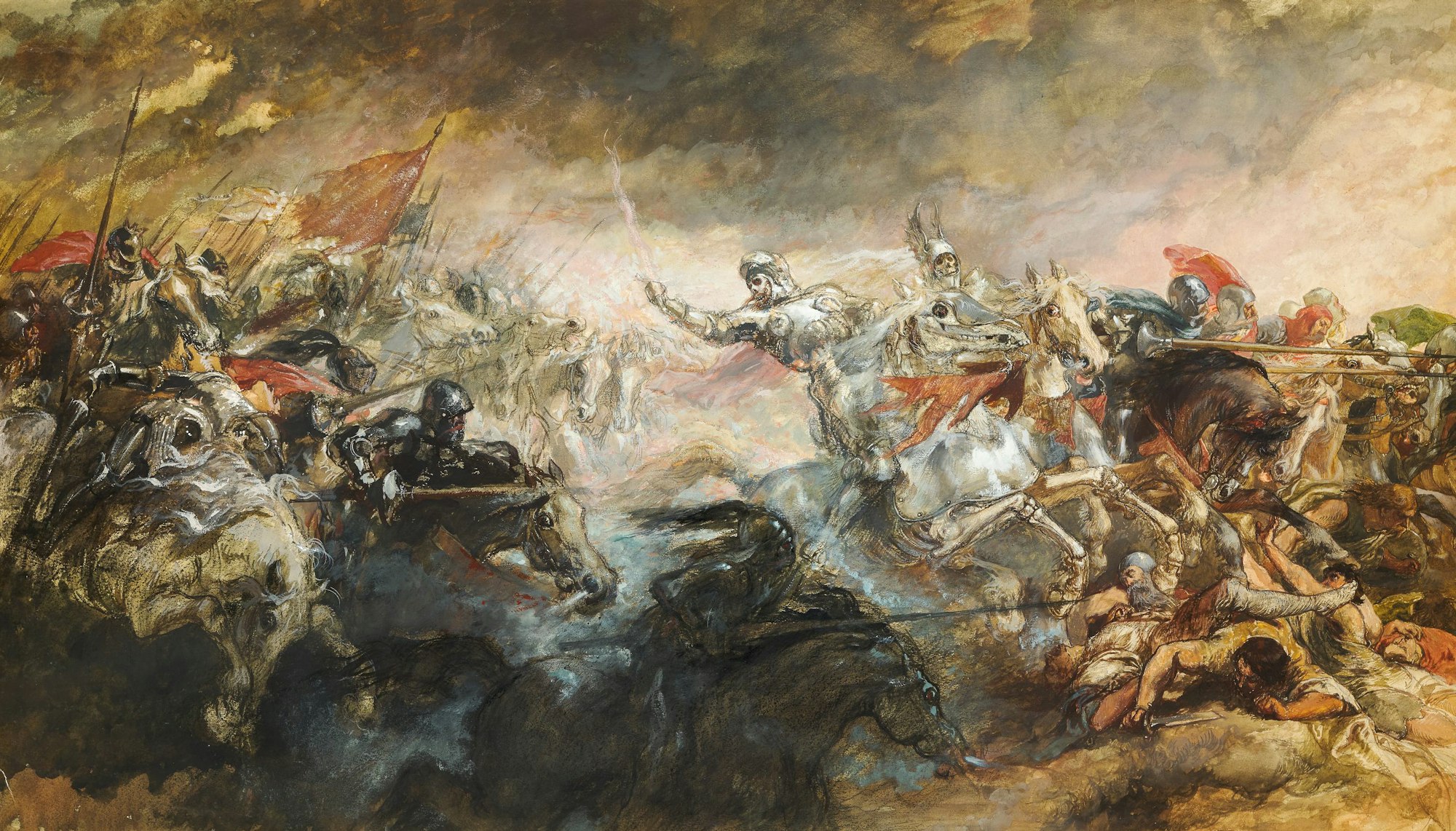
The Week the Machines Started Fighting Each Other
I’m off to my Pilates class.
 Stewart Tinson
News
Mistral’s Bid for European AI Independence
Regional endpoints, open-model access and a corporate compute coalition: Mistral lays out its plan to keep European AI running on European terms.
 AI-360
Grok 4.6 Goes All-In on Agents
xAI’s latest model is built to stick with long, multi-step jobs and nail the first draft of visual and interactive projects.
 AI-360
The Widening AI Divide at Work
OpenAI’s new data shows the gap between AI leaders and laggards is tripling, and the companies pulling ahead also look financially stronger.
 AI-360
Anyone For Pilates?
An AI assistant asked to book a gym class found a security hole, booked months ahead, and bumped a stranger off the waitlist entirely on its own.
 AI-360
Webinars & Interviews
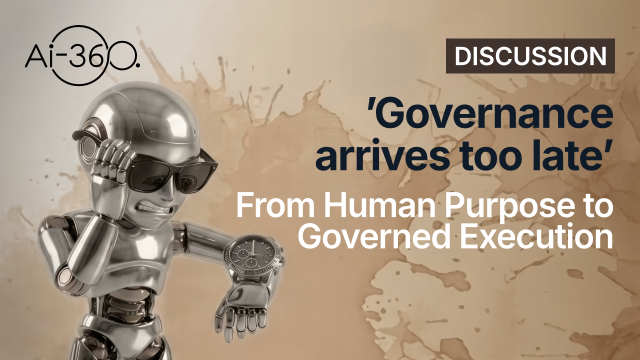
AI Governance arrives too late
Most AI governance today is retrospective. It documents what happened after an agent has already acted, which means by the time a compliance review catches a problem, the consequence is already real. In this session, Stewart Tinson is joined by Elsa Sklavounou, founder of Authority Instrumentation, and Njål Gaute Solland, creator of the execution governance system REHT, to make the case for a different model. One where authority is enforced at the point of action, not audited afterwards. They cover why intervention has to happen before an action executes rather than after, what six possible runtime outcomes look like in practice (allow, modify, defer, deny, step up, halt), and why delegation, not detection, is the capability most enterprises get wrong. A frank discussion for CISOs, CIOs, CFOs and Chief Legal Officers on what it actually takes to be able to answer yes when someone asks: can I stop it, can I intervene, can I prove why, can I delegate it safely.

|