
Intel has announced plans to repurchase the 49% equity interest in its Ireland-based fabrication facility from Apollo Global Management, returning the site to full ownership and unwinding a prior co-investment structure.
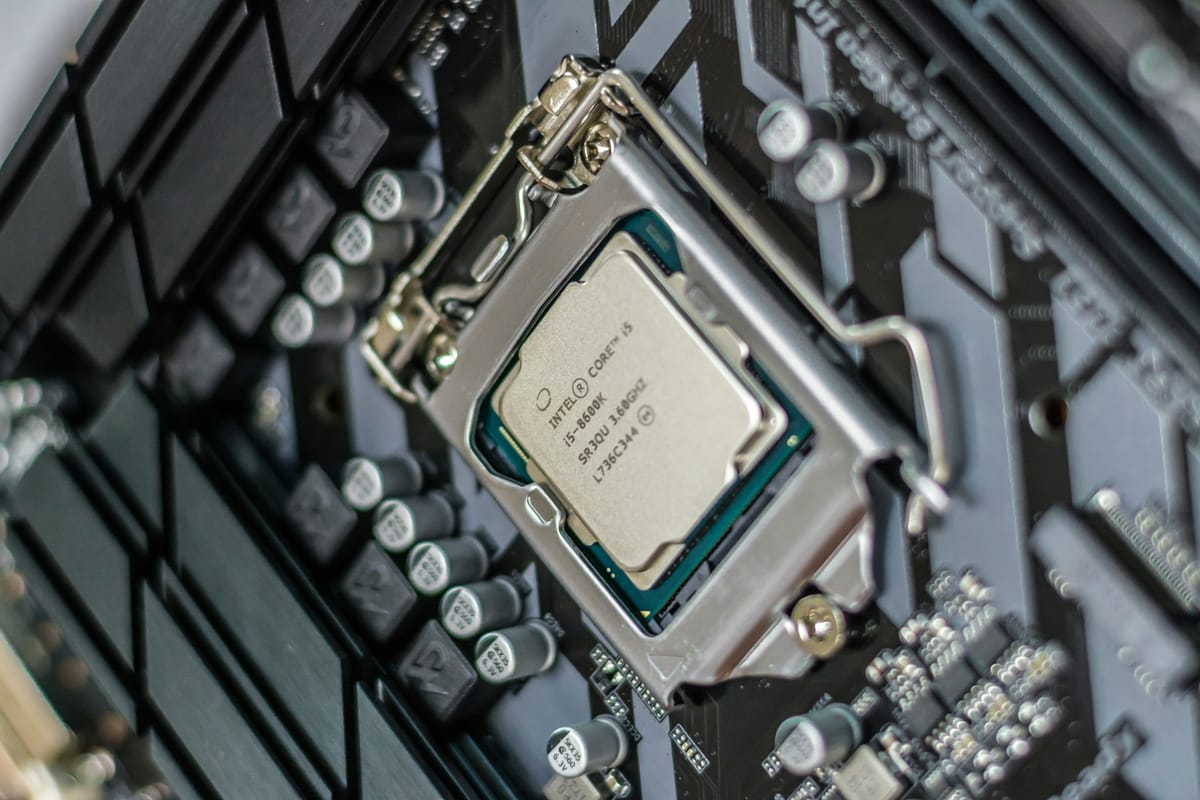
The company said the agreement reflects continued business momentum, “underpinned by the growing and essential role CPUs play in the era of AI.” The statement ties the transaction to Intel’s core product positioning, as CPUs remain a foundational component of enterprise and cloud infrastructure supporting artificial intelligence workloads.
The Ireland facility had previously been partially divested as part of a financing arrangement with Apollo, allowing Intel to share the upfront capital requirements of semiconductor manufacturing. The planned repurchase reverses that structure, consolidating ownership of the asset.
Intel has not outlined operational changes tied to the transaction, but full ownership typically provides greater flexibility in managing production, investment, and long-term capacity planning. Semiconductor fabrication remains highly capital-intensive, and ownership structures can shift over time depending on financial and strategic considerations.
The reference to CPUs reflects their continued role across a range of AI-related workloads, including data processing, orchestration, and inference. While accelerators have driven much of the recent focus in AI infrastructure, CPUs remain widely deployed across enterprise environments and are integral to broader system performance.
The transaction highlights how companies are aligning manufacturing and capital decisions with product demand signals, even where those signals are described at a high level. In this case, Intel directly links the buyback to CPU relevance in AI, without detailing specific workload trends or capacity implications.
By repurchasing Apollo’s stake, Intel simplifies the ownership of a key manufacturing facility while reinforcing its positioning around CPUs in AI infrastructure. The move reflects a targeted adjustment rather than a broader structural shift, anchored in the company’s stated view of CPU demand in the current AI landscape.