109 posts
Security



AI-powered code review targets complex vulnerabilities and suggests patches, with human approval built in.

Google DeepMind CEO warns that defensive systems must outpace AI-powered attack vectors as AGI approaches.

New scientific body aims to assess AI impacts, close knowledge gaps and address weaponization risks.
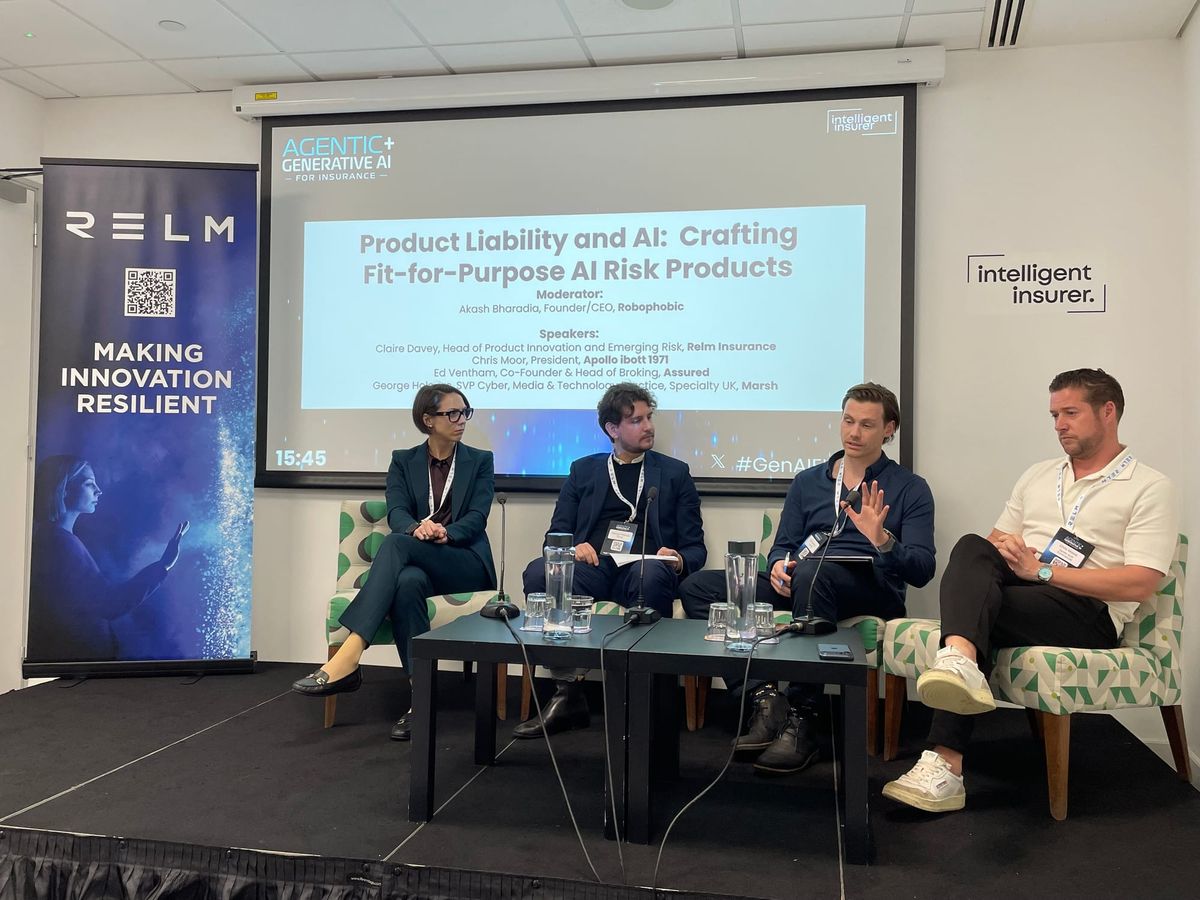
From the EU AI Act to cyber policy wording, panelists examined how emerging regulation and insurance structures intersect with enterprise AI deployment.

GPT-5.3-Codex adds performance gains, real-time interaction, and broader task support for enterprise development environments.

As GenAI scales across enterprises, quantum advances are compressing security timelines, challenging encryption lifetimes, governance models, and breach assumptions.

Under a $151 Billion SHIELD contract, IBM will bring governed, interoperable, mission-grade AI to accelerate threat detection and response.

Multi-stage attacks leverage trusted repositories and automation to bypass existing AI guardrails.

In parallel to its existing inquiry, the European Commission has launched a new investigation into how risks are assessed and mitigated in connection with the deployment of Grok’s functionalities in X.

Apiiro's Guardian Agent embeds preventive application security directly into AI coding workflows, shifting from reactive scanning to real-time risk prevention.

January 2026 OMB memo rescinds federal SBOM and attestation requirements, shifting security decisions to agencies.

Experts discuss the practical steps organizations must take to secure AI, protect data, and operationalize responsible deployments.
Tracking helps teams quickly assess exposure and prioritize response across evolving supply chain threats.

A new graph layer aims to unify AppSec, supply chain security, and posture management around shared context and decision history.

Update introduces workflow-aligned modules, unified dashboard, and operational enhancements.