OpenAI and CodeAI have announced a partnership aimed at helping students and teachers understand how AI works, timed to coincide with the launch of ChatGPT for Teens.

The companies said the initiative is intended to close a gap between AI use and AI understanding among young people. OpenAI cited data showing most students already use AI regularly, while only 16 per cent of high school leaders say all their students are learning the technical knowledge needed to understand it in class. A separate CodeAI survey found three-quarters of high school students believe understanding AI will matter more to their futures than it does today.

Over the next year, the two organisations plan to run a joint advisory council on child development, youth policy and learning science, to help guide the ongoing development of ChatGPT for Teens. Other planned initiatives include an "Hour of AI" programme to introduce students to responsible AI use, a first-ever Builders Challenge offering high schoolers mentorship from OpenAI staff and a national showcase, support for CodeAI's existing year-long high school course, AI Foundations, and a "Career Journeys" series connecting students with OpenAI researchers and engineers.

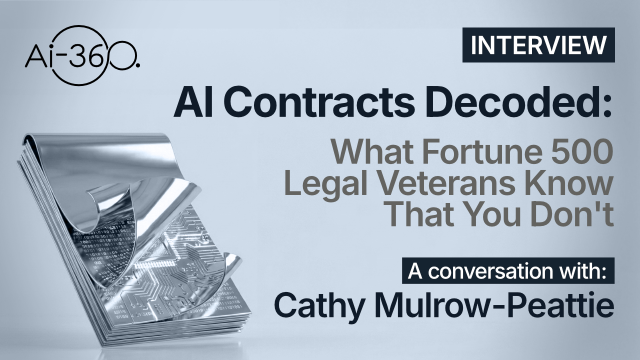
AI Contracts Decoded: What Fortune 500 Legal Veterans Know That You Don’t
When Microsoft refuses to negotiate indemnification with their biggest customers, what does that mean for your AI vendor contracts? When IBM data shows 97% of AI breaches stem from compliance failures—most being supply chain-related—who holds liability? When employees download shadow AI tools with zero cybersecurity controls, what recourse does your company have? None. Cathy Mulrow-Peattie brings perspective most outside counsel lack: Fortune 500 in-house experience at MasterCard and Omnicom, General Counsel at an AI startup, now advising enterprises. She starts with business goals before technology, technology before contracts—because she’s been in the hot seat when governance fails. You’ll learn: • Why 10-year AI contracts create risk and 90-day pilots with exit strategies are essential • The IP paradox: machine-generated outputs aren’t copyrightable but terms of use matter • How LLM providers retain “certain uses” of your data and when private instances become mandatory • Why contractual risk allocation to key vendors is your only viable strategy Key topics: Supply chain due diligence • The 97% compliance failure rate • Shadow AI liability traps • Benchmarking gaps • Hallucination disclaimers • GDPR/CCPA requirements • NY DFS Part 500 • Acceptable use policies • Dark web data sourcing • Evolutionary AI governance For: CISOs, CIOs, Chief Legal Officers, and compliance leaders navigating AI vendor relationships Contractual realities from someone who’s negotiated with Microsoft, advised Fortune 500s, and managed governance failures.
Share this post
The link has been copied!